Understanding TV Power Consumption: A Guide to Energy Efficiency
Introduction
Televisions play a vital role in modern households, offering a source of entertainment and information. As energy conservation becomes more crucial, understanding how much power your TV consumes is essential not just for cutting down electricity bills but also for contributing to a sustainable environment. This guide covers different types of TVs, the factors that influence their energy consumption, and effective strategies to enhance their efficiency.
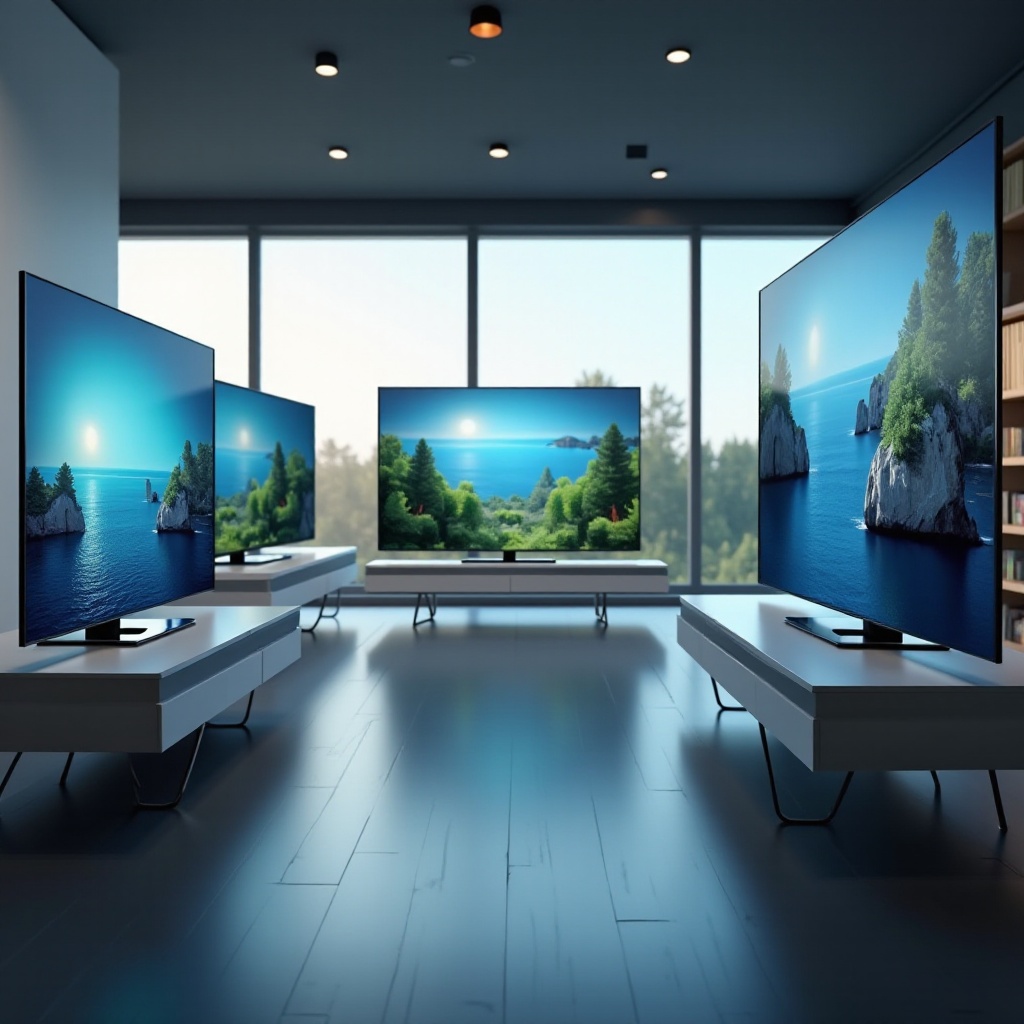
Types of Televisions and Their Energy Profiles
Different television technologies have varying energy demands. This knowledge can help consumers make informed choices about the kind of TV that best suits their needs.
LCD vs. LED vs. OLED TVs
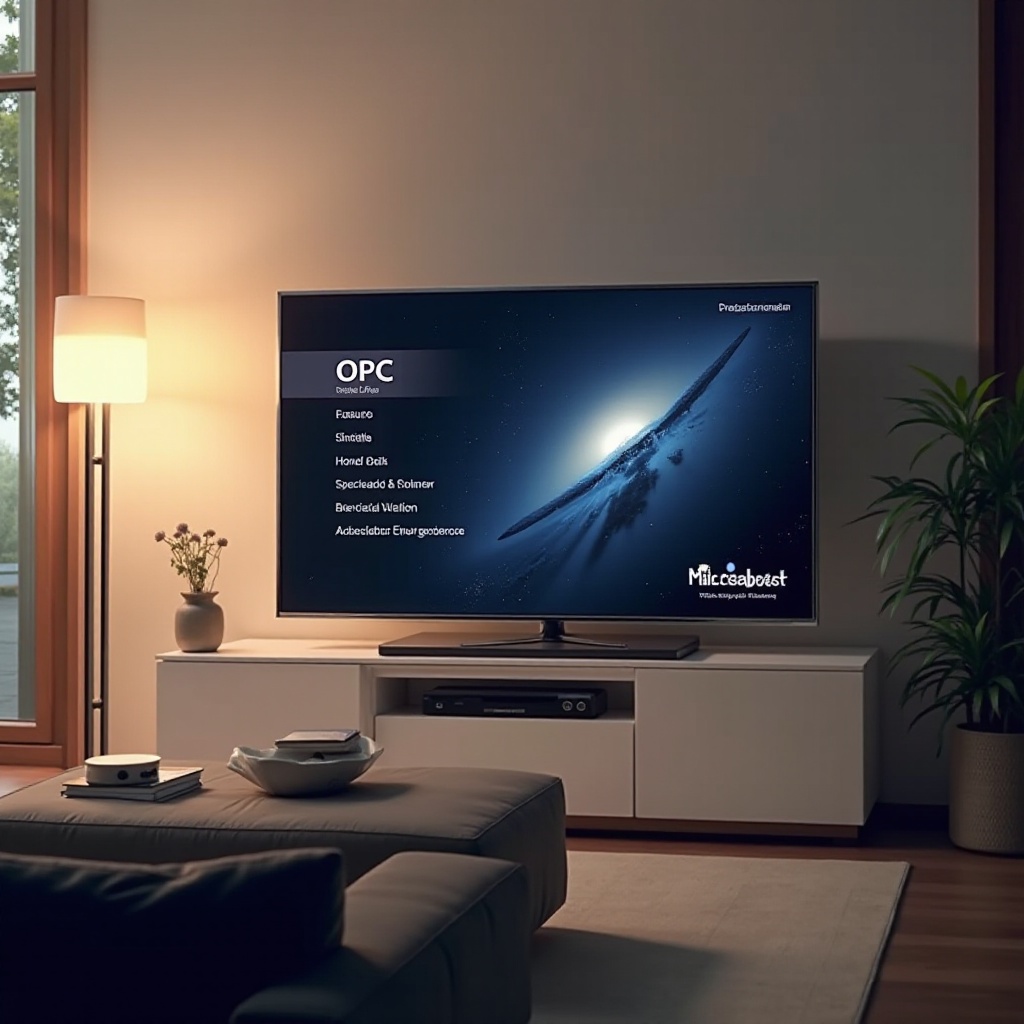
LCD, LED, and OLED televisions differ significantly in their energy consumption. LCDs, which require backlighting, generally use more power than LEDs, which use light-emitting diodes and are more energy-efficient. OLED TVs, with self-illuminating pixels, tend to consume the least power.Energy Demands of Smart TVs
Smart TVs enhance user experience by offering internet connectivity and streaming options. While these functions increase energy demand, manufacturers are introducing more energy-efficient features in smart TVs to balance this.
Knowing the energy profile of your TV type is foundational for exploring the key factors affecting consumption.
Key Factors Affecting TV Power Consumption
Television power usage is influenced by several adjustable factors that users can control.
Screen Size and Brightness Settings
Larger screens consume more energy. Adjusting the brightness can have a significant impact; a higher setting leads to increased power use, while dimmer settings conserve energy without significantly affecting viewing quality.Usage Patterns and Their Impact
Usage habits directly impact energy consumption. Streaming high-definition content, playing video games, or leaving the TV on standby can increase power usage. By being mindful of these habits, users can decrease their energy output.
Understanding these factors can guide users towards optimizing their TV's energy consumption.
Measuring and Calculating TV Energy Use
To fully grasp your TV's power requirements, it's helpful to measure and calculate its energy consumption.
Tools for Measuring Power
Energy meters are useful tools that provide real-time data about your TV's power usage when placed between the TV and the power outlet.Understanding Wattage and Kilowatt-Hours
The power consumption of TVs is typically measured in watts. To estimate the total energy usage, multiply the wattage by the hours used and then divide by 1000 to convert to kilowatt-hours (kWh). This can help identify patterns and potential savings.
By grasping these calculations, users can better manage their power use and seek efficiencies.
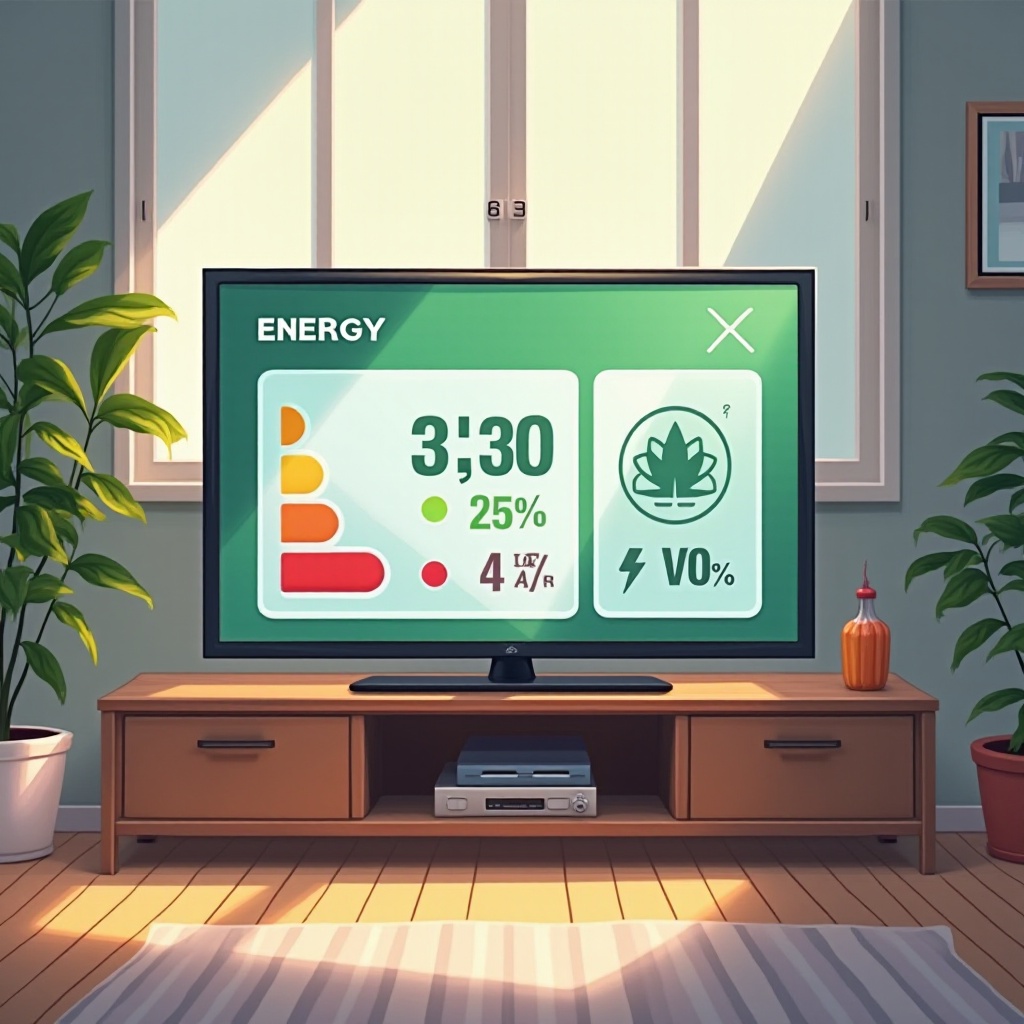
Strategies to Reduce TV Power Consumption
After understanding power consumption, consider the following strategies to reduce it effectively.
Utilizing Energy-Saving Settings
Many TVs come with energy-saving modes that automatically adjust settings like screen brightness. Enabling these settings can greatly reduce energy use.Smart Usage Habits
Simple behavioral changes such as turning off the TV when not in use, using a smart power strip to cut standby power, and limiting connected device use can significantly reduce consumption.
By adopting these practices, users can lower their energy bills and make a positive environmental impact.
The Financial and Environmental Impact of TV Energy Use
The broader effects of TV energy consumption include both financial burdens and environmental implications.
Energy Star Ratings and Efficiency
Energy Star ratings help consumers identify energy-efficient TVs that maintain high performance standards while using less power.Calculating Costs and Savings
Estimate monthly TV energy costs by multiplying daily kWh consumption by local electricity rates. Adopting efficient practices can significantly lower these costs over time.
Investing in efficient models and adopting energy-saving measures benefit both your wallet and the environment.

Innovation in Energy-Efficient Television Technology
Television manufacturers continue to innovate, focusing on both performance and energy efficiency.
Advancements in Display Technology
Newer technologies, such as microLEDs and quantum dots, promise even better energy efficiency by optimizing light output and color accuracy.Eco-Friendly Features in Modern TVs
Modern TVs are increasingly equipped with eco-conscious features like automatic power-off timers and improved energy ratings, demonstrating a shift toward more sustainable technology.
Staying informed about these innovations helps consumers make smarter, eco-friendly purchasing decisions.
Conclusion
Being aware of television power consumption is crucial for today's consumers. With more information and straightforward strategies, individuals can significantly reduce their energy bills and contribute to environmental sustainability. Selecting energy-efficient models, monitoring usage habits, and implementing smart energy practices will bring meaningful improvements in financial savings and ecological impact.
Frequently Asked Questions
How Can I Determine My TV’s Energy Consumption?
Use an energy meter to measure real-time usage and perform manual calculations based on wattage and usage hours.
Are Energy-Efficient TVs Worth the Investment?
Yes, they can lead to significant savings over time and offer comparable performance to less efficient models.
What Is the Most Energy-Efficient TV Type in 2024?
OLED TVs are generally the most energy-efficient, offering excellent picture quality with lower energy use compared to other types.